Wildlife Recovery Fund
Re-establishing habitat for wildlife in South Australia’s bushfire affected landscapes.
The Wildlife Recovery Fund – a Nature Foundation and state government initiative – is open to help finance projects that promote recovery and increase resilience of vital habitats damaged or destroyed by fire.
The Wildlife Recovery Fund's current focus is supporting the recovery of landscapes and native species impacted by the recent fires on the Fleurieu Peninsula, South Australia.
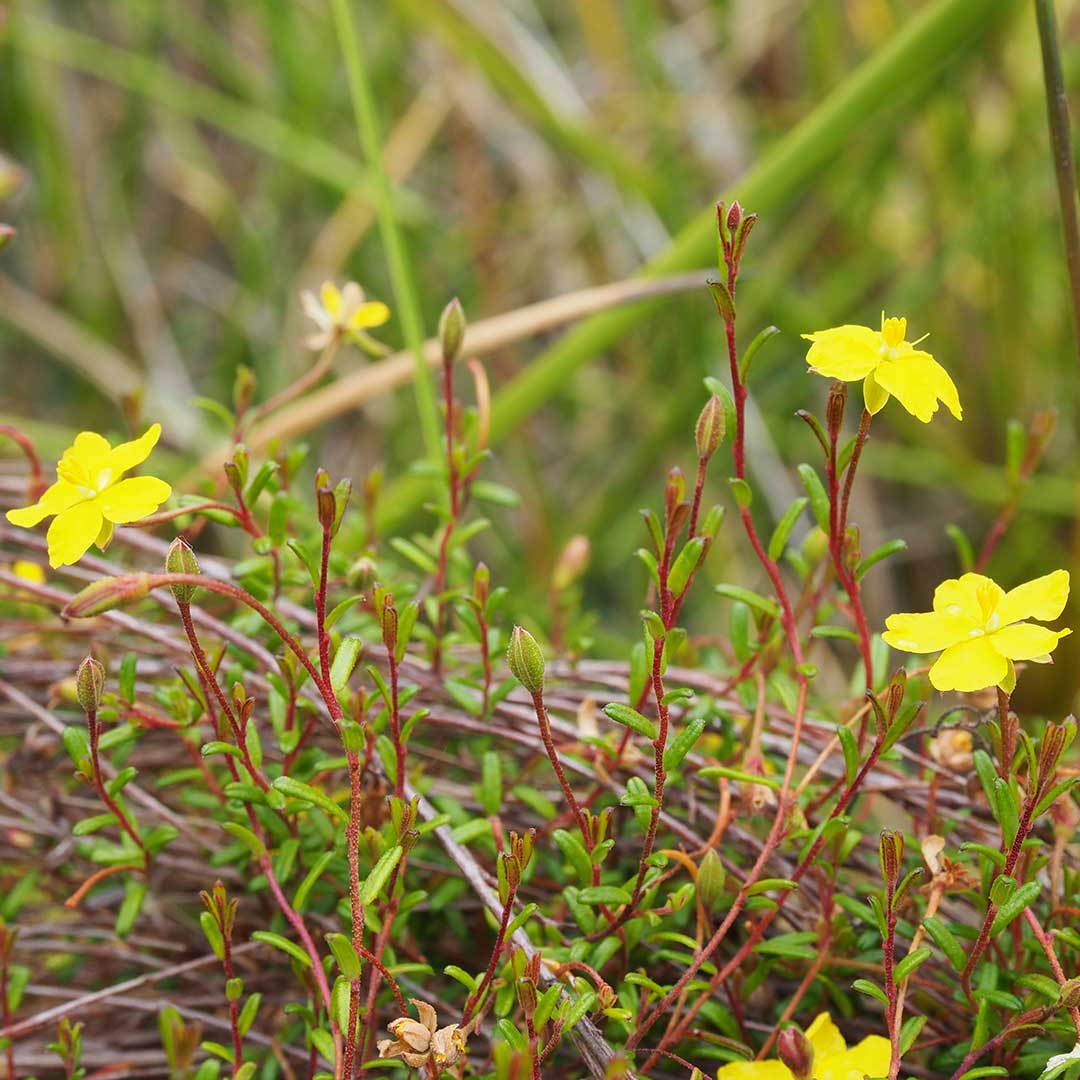 In January 2026, the Tooperang fire, near Mount Compass on Fleurieu Peninsula, burnt more than 685 hectares. This region has some of the few remaining swamps that are home to endangered plants and animals, including the Fleurieu Leek Orchid and Yundi Guinea-flower (right). The threatened river blackfish – which only remains in small, isolated populations – is also found in freshwater areas affected by the fire.
And in February 2026, more than 4,500 hectares – including about 40% of Deep Creek National Park and almost all of Talisker Conservation Park – were scorched in a blaze, which also damaged or destroyed 22 structures and 12 vehicles.
Most Australian ecosystems have evolved alongside fire and can recover over time but, in fragmented landscapes, species can be at risk of disappearing locally if a single fire affects too much of their habitat and other threats are not managed.
Above: Southern Brown Bandicoot by Martin Stokes, Mount Lofty Ranges Southern Emu-wren and Western Beautiful Firetail (Shutterstock).
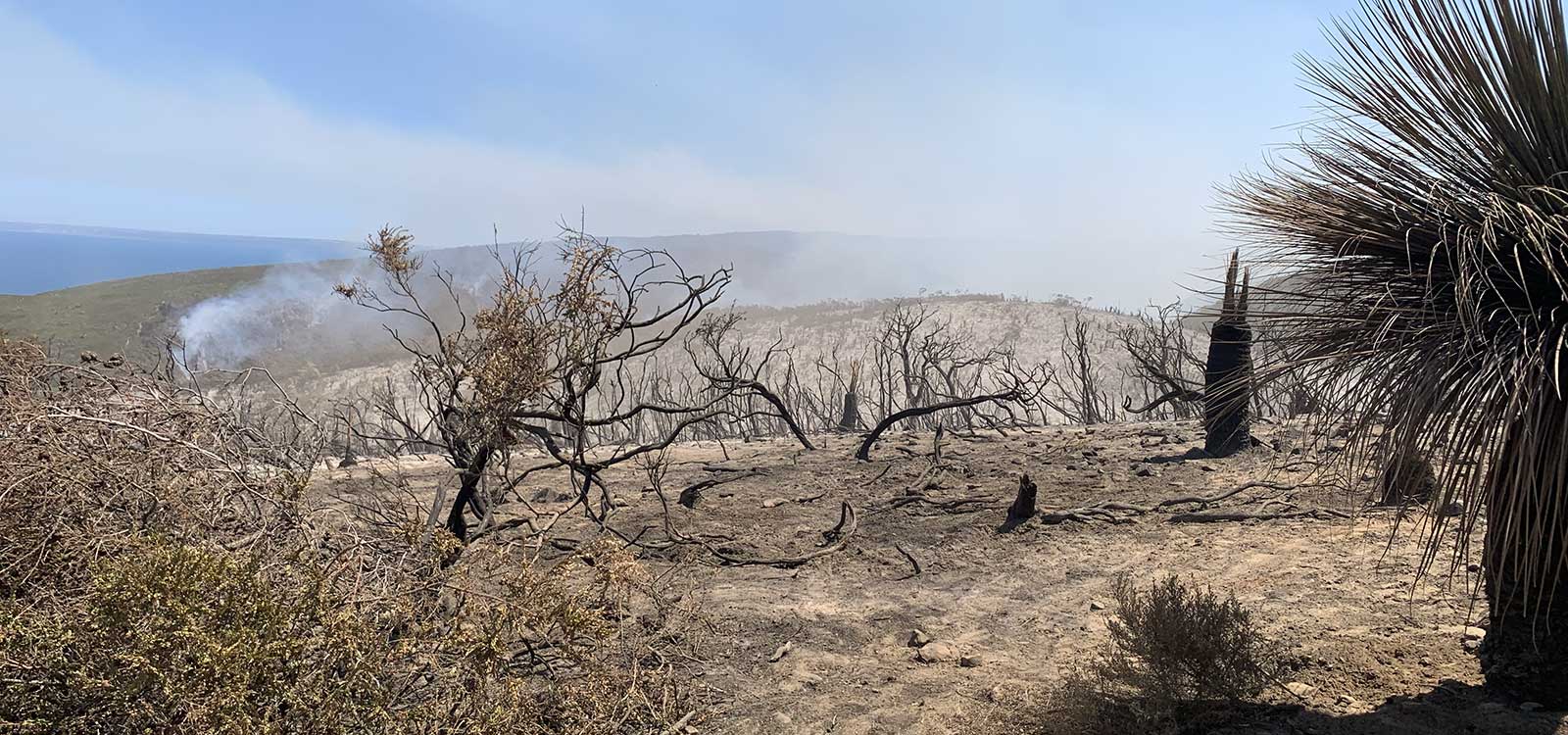 Above: An area within Deep Creek Conservation Park immediately following the February fire.
All donations are tax-deductible.
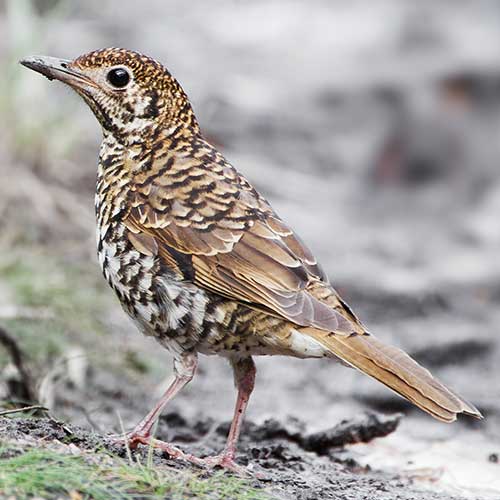
Initial assessments of the areas affected by the fire at Deep Creek from the Department for Environment and Water (DEW) have identified effects to threatened and vulnerable native animals and plants, including:
-
The endangered Mount Lofty Ranges Southern Emu-wren (top) pushed closer to extinction in Deep Creek with about half its habitat affected.
-
The endangered Western Beautiful Firetail (top) – almost half its park habitat affected – with Deep Creek and its surrounds being the last remaining stronghold for this species in the Mount Lofty Ranges region.
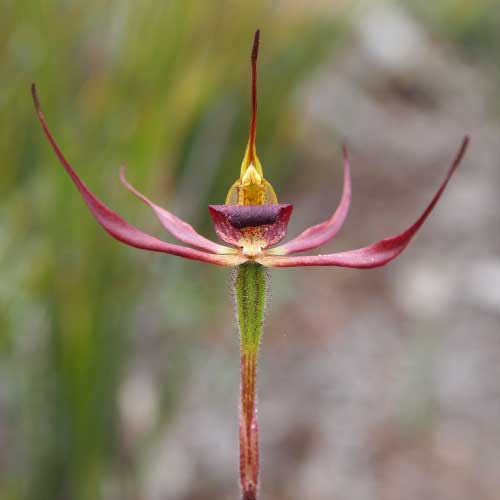
- Important populations of endangered Southern Brown Bandicoot (top) – 40% of its park habitat affected – Bassian Thrush (top right) and Kangaroo Island Spider Orchid (below).
- Rare Yellow-bellied Water Skinks and Flame Sedge-skipper Butterflies.
Funds raised will be used to help immediate on-ground projects – including fence repair, weed control and habitat restoration – and for monitoring and research to understand the effects of the fire and how populations of threatened species recover.
These combined efforts will help provide additional habitat to support recovery of native animals and plants, and improve scientific knowledge in future bushfires.
Thank you for your care and support.